Solutions at scaleMany touchpointsOne managed platformMeasurable interaction
Turn physical spaces into measurable digital experiences.
TappDatta is a software layer for venues, institutions, and organizations with many real-world interaction points. Connect rooms, tables, exhibits, signs, displays, counters, and other physical locations to digital experiences you can update, manage, and measure.
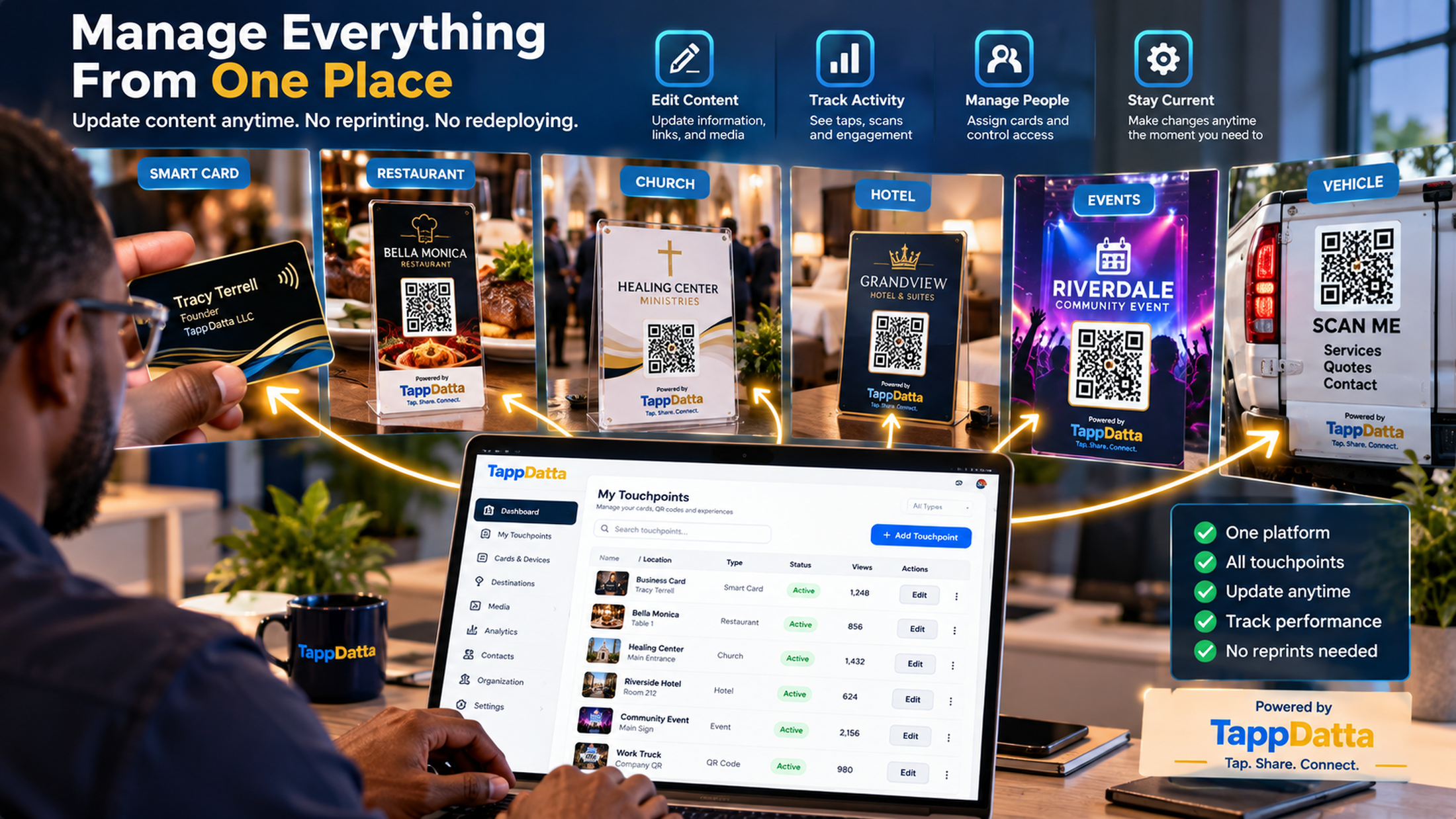
Where can TappDatta solve a problem at scale?
Start with the environment, the visitor problem, and the interaction you wish existed. The examples below show where a physical interaction layer can become useful software.
Rooms · amenities · guest service
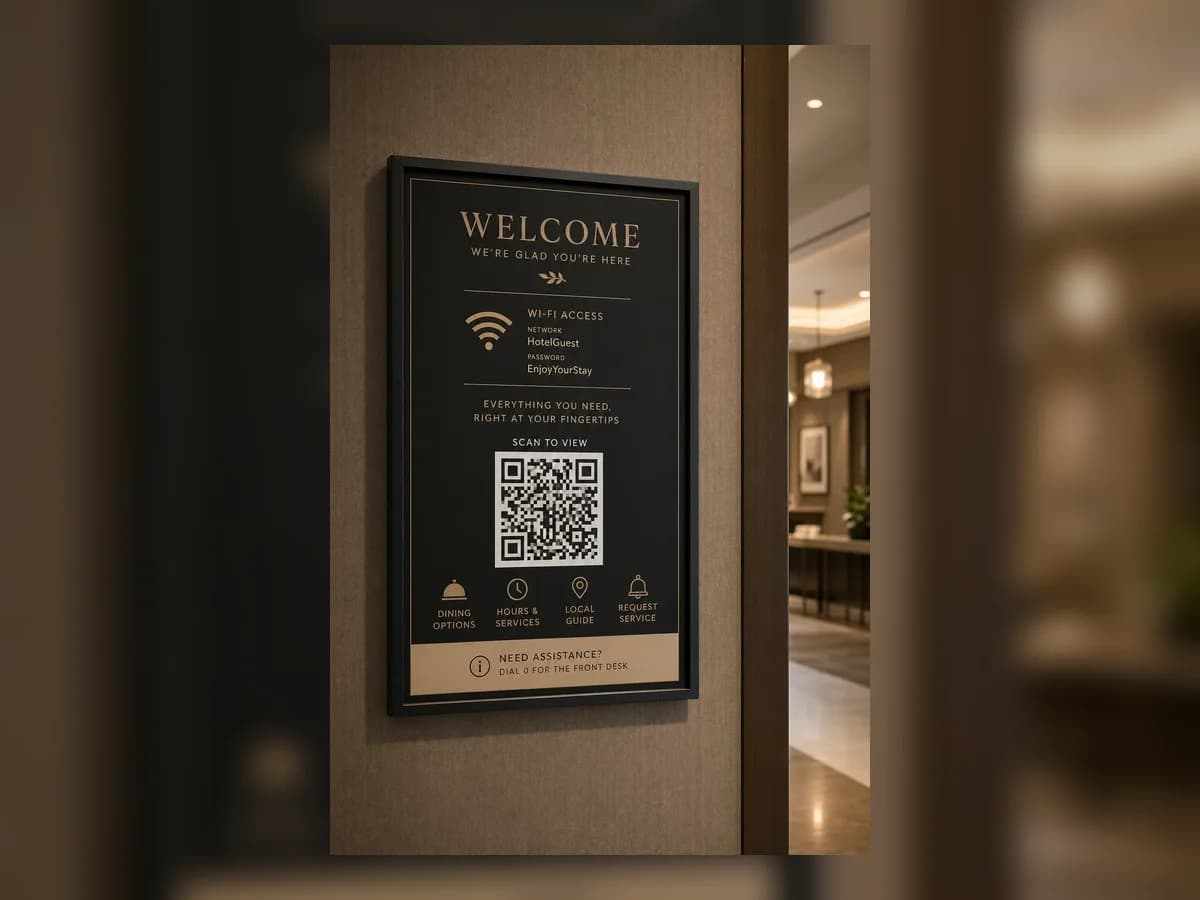
Hotels, resorts, and hospitality
The problem: Guests need current information and easy help across many rooms and shared spaces.
TappDatta could: Connect rooms and property touchpoints to managed guest information, amenities, directions, and service paths.
Measure guest actions and request patternsExplore solution →
Tables · counters · locations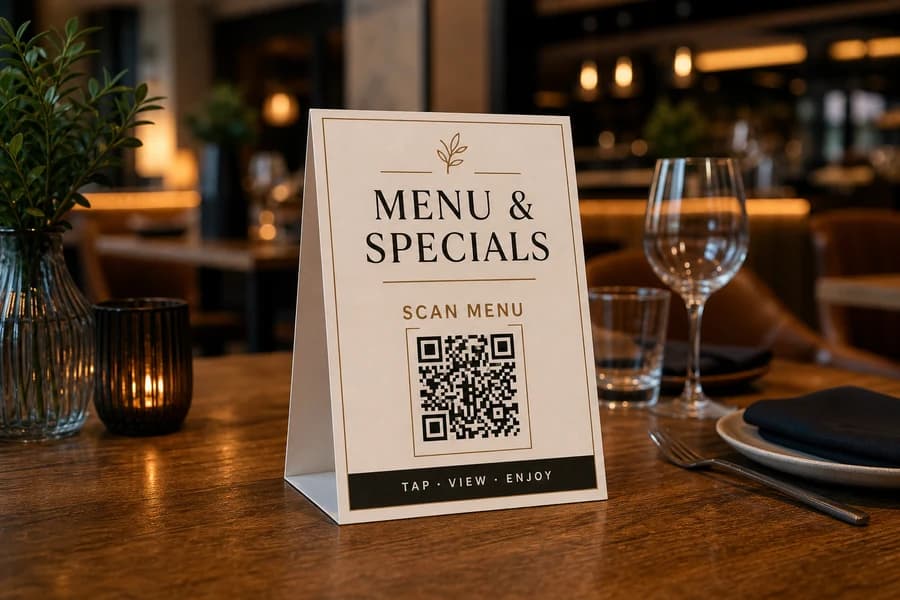
Restaurants and multi-location dining
The problem: Operators need better guest engagement and visibility across many tables, counters, or locations.
TappDatta could: Turn restaurant touchpoints into managed guest experiences for information, menus, reviews, and supported service actions.
Track engagement and reputation opportunitiesExplore solution →
Exhibits · galleries · education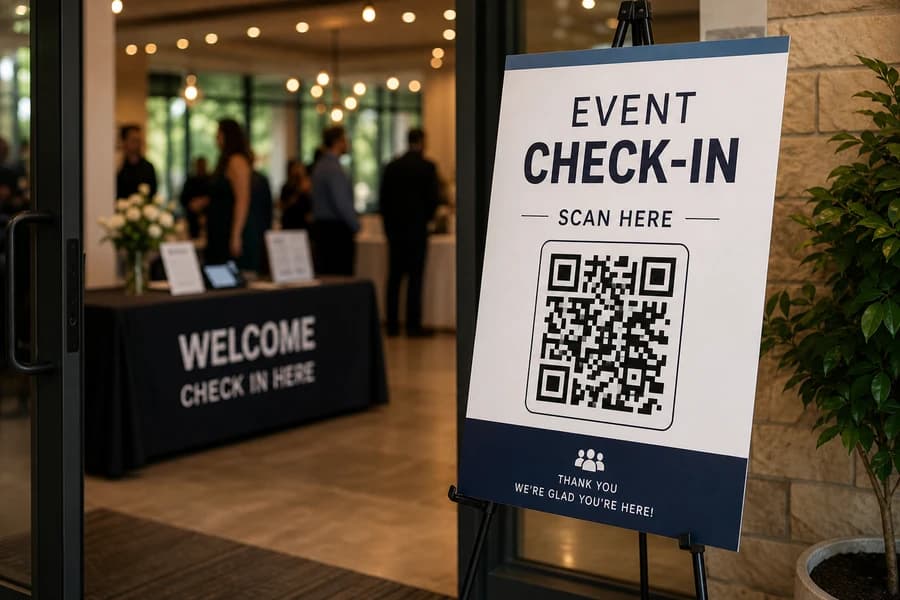
Museums and cultural institutions
The problem: Static exhibit information is hard to expand, update, translate, or measure.
TappDatta could: Connect exhibits to managed stories, media, accessibility resources, maps, membership, and other visitor destinations.
Understand exhibit-level engagementExplore solution →
Exhibits · habitats · wayfinding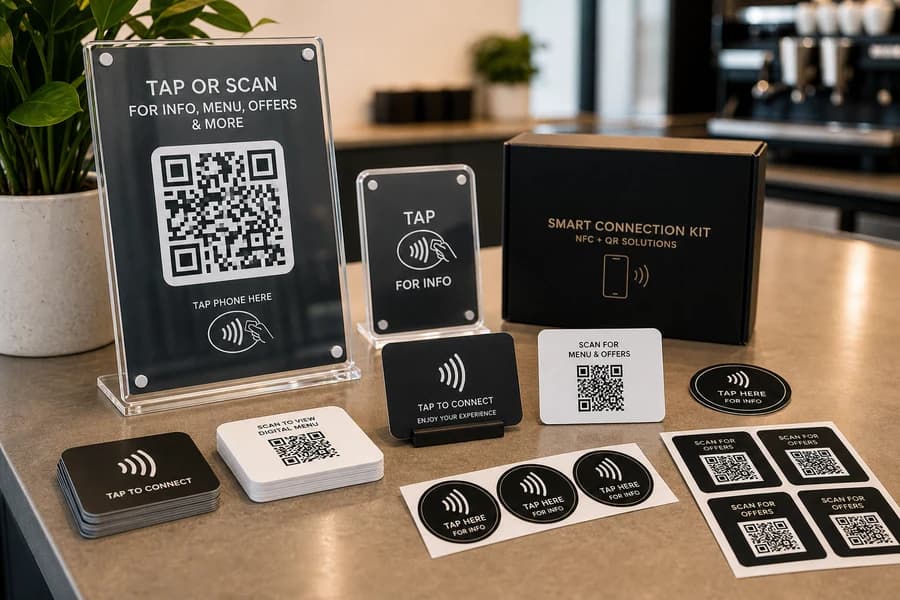
Zoos, aquariums, and attractions
The problem: Large attractions need current wayfinding, education, and visitor information across many physical areas.
TappDatta could: Connect habitats, exhibits, and pathways to maps, educational content, conservation stories, memberships, and timely updates.
Compare engagement across attractionsExplore solution →
Welcome · ministries · events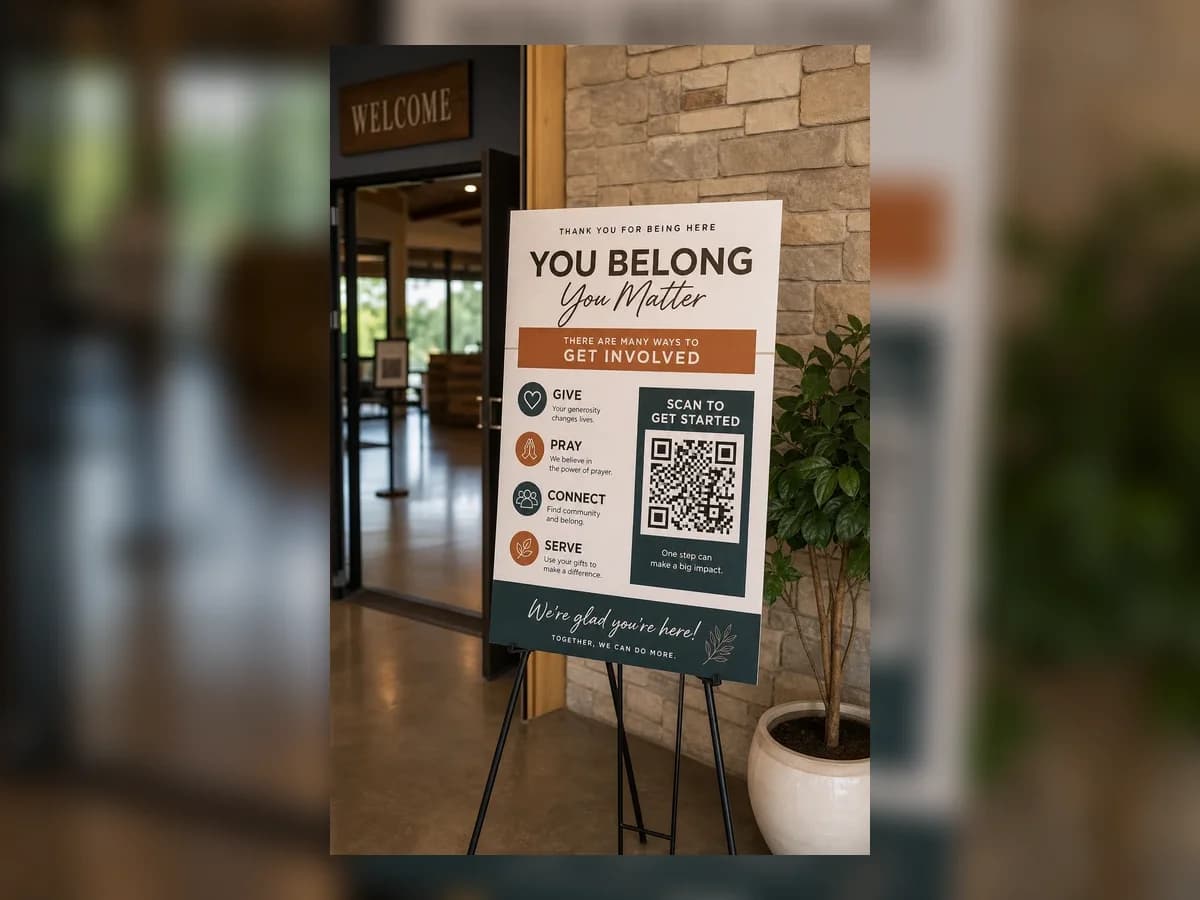
Churches and community organizations
The problem: Welcome, prayer, events, announcements, and ministry connection happen across many separate physical moments.
TappDatta could: Connect church-owned signs, cards, welcome areas, and ministry touchpoints to managed experiences and supported team response.
See connection and request activityExplore solution →
Buildings · rooms · service pointsCampuses, venues, and public facilities
The problem: Large facilities rely on signs, directories, printed instructions, and staff knowledge that can quickly become outdated.
TappDatta could: Connect buildings, rooms, counters, and service points to managed information, navigation, schedules, feedback, and service paths.
Measure which places need attentionExplore solution →
The software advantage appears when the physical environment gets large.
A single QR code is easy. The harder problem is managing dozens, hundreds, or thousands of physical interaction points without losing control of what each one does.
Location-aware experiences
Room 212 can behave differently from the lobby. Exhibit 14 can open different content than Exhibit 15. A table, counter, building, or sign can carry the context of where the interaction started.
Update without redeploying
Change information, links, destinations, schedules, calls to action, or public content while the physical touchpoint stays where it is.
Interaction visibility
Use supported analytics to understand which placements are being opened, which actions people take, and where the experience may need to change.
Operational response
Where the experience includes requests or follow-up, route the interaction into an owner or staff workflow instead of leaving the physical touchpoint as a one-way sign.
Imagine one venue with 100 touchpoints.
The value is not the number of QR codes or NFC tags. The value is that each physical point can have a purpose, remain editable, and contribute to a larger picture of how the venue is being used.
Visitor side
Each placement answers the question in front of the visitor.
- What am I looking at?
- Where do I go next?
- How do I request help?
- What can I do here?
- How do I review, join, donate, save, or connect?
Owner side
The organization sees and manages the larger system.
- Which touchpoints get used?
- Which actions get opened?
- Which locations generate requests?
- Which information needs to change?
- Where should the next physical touchpoint go?
Bring us the physical problem.
You do not need to know which card, sign, NFC tag, QR format, or product package you need. Tell us the venue, the scale, what visitors struggle with today, and what you wish you could measure or change.